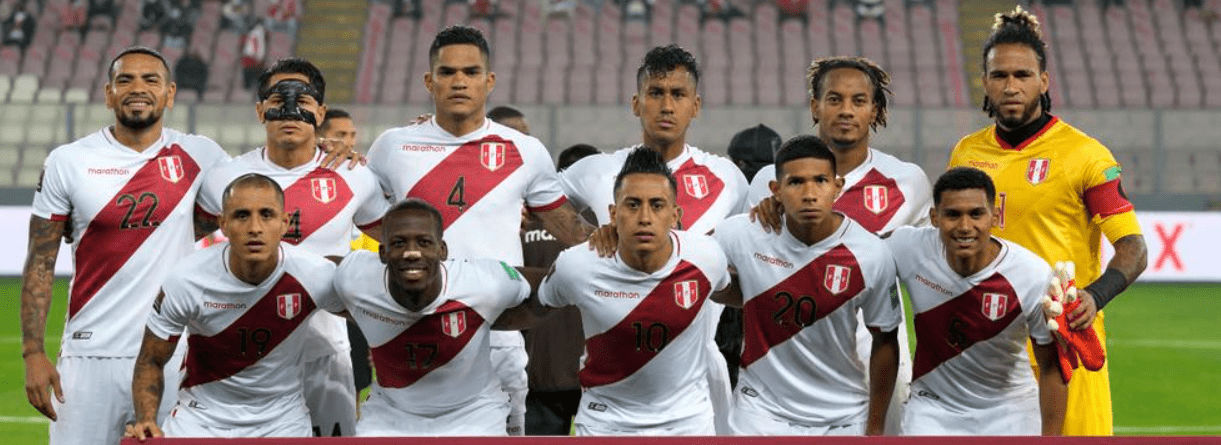
The Peru National Football Team, known as La Blanquirroja, represents a nation with a deep and passionate footballing tradition in South America. Peru’s rich football history dates back to the early 20th century, and the team has long been admired for its technical skill, creativity, and flair on the pitch. Throughout the decades, Peru has developed a distinctive style of play, characterised by elegant passing and tactical intelligence, earning respect across the continent and beyond.
One of Peru’s most notable periods of success came in the 1970s, when the national team emerged as a formidable force in South American football. The team qualified for three consecutive FIFA World Cups in 1970, 1978, and 1982, showcasing a blend of talented players and cohesive teamwork. During the 1970 World Cup in Mexico, Peru reached the quarter-finals, delivering some memorable performances and thrilling football to fans worldwide. This era was led by iconic figures who became legends in Peruvian football history and helped establish the country’s reputation on the world stage.
Peru has also enjoyed success in the Copa América, South America’s premier international tournament. The team won the competition twice, first in 1939 and again in 1975, the latter victory being particularly celebrated for its display of skill and determination. The 1975 triumph remains one of the proudest moments in Peruvian sporting history and is remembered fondly by fans across generations. These achievements have helped cement Peru’s status as a respected and competitive footballing nation within the region.
Throughout its history, the Peruvian team has been known for its passionate supporters and for producing players with exceptional technical ability and vision. Football remains a central part of national identity, inspiring pride and unity among Peruvians at home and abroad.
Matchday Atmosphere
Matchdays in Peru are vibrant and deeply emotional occasions. Home games, particularly at the Estadio Nacional in Lima, are filled with colourful displays, enthusiastic singing, and rhythmic drumming that reflect Peru’s rich cultural heritage. Fans clad in red and white cheer passionately throughout the match, creating an electric atmosphere that motivates the players. Away supporters travel with pride, bringing the same energy to tournaments and qualifiers across South America and beyond. The sense of community and national pride is palpable whenever La Blanquirroja takes to the field.
Ticket Demand Insights
Ticket demand for Peru’s matches is strong, especially during FIFA World Cup qualifiers and Copa América fixtures. Important home games often sell out quickly, particularly weekend fixtures and matches against traditional South American rivals. The loyal fanbase ensures a lively and supportive atmosphere at every match, with significant interest from Peruvians both domestically and within the diaspora. International tournaments also attract widespread attention, highlighting Peru’s enduring passion for football.
Major Cup Wins and Year: Copa América – 1939, 1975
The price for Peru tickets depends on several factors including the opponent, the date, whether it's home or away, and the competition.
The average ticket price is
88
while the cheapest price is 80 .




 100% Guaranteed
 Over 10,000 Customers Served
 Trusted Resellers